


The technician begins with the rooms and system behaviour you described.
The technician begins with the rooms and system behaviour you described, then checks the components relevant to that pattern.
One radiator stays cold while every other room warms normally. Or the whole house is slow to heat and the pressure gauge keeps dropping. Those two patterns point the service in different directions, and they are exactly what HomeFirst needs to hear when you call.
Tell us whether you have radiators, underfloor heating or both, which rooms are affected and what the pressure gauge or controls are doing. We will arrange a technician with the relevant hydronic experience and explain what happens next.

 570+ Reviews
570+ Reviews
570+ Reviews
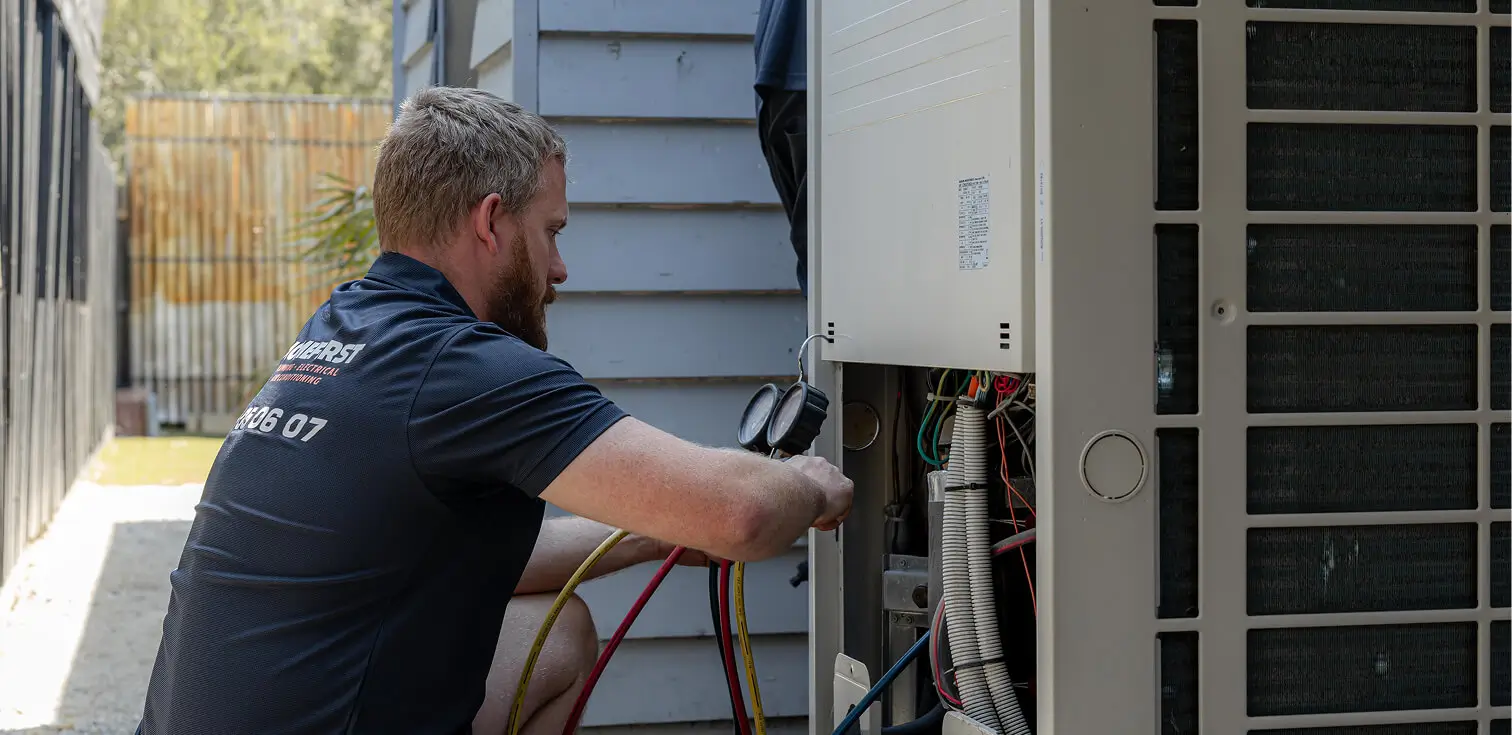

A hydronic system connects a heat source, circulating pump, pipework, valves, radiators or floor loops, thermostats and controls. One failed zone may involve a local valve or emitter. Whole-home symptoms can shift attention toward circulation, heat generation or control. Visible leakage and recurring pressure loss need different investigation from a single slow radiator.
Avoid random adjustments that hide the pattern. A short note about affected rooms, pressure, sound and timing gives the technician a better starting point.
 Call Us 1300 353 193
Got an Emergency?
Call Us 1300 353 193
Got an Emergency?
Call Us 1300 353 193
Got an Emergency?
Call Us 1300 353 193
Got an Emergency?
Call Us 1300 353 193
Got an Emergency?
Call Us 1300 353 193
Got an Emergency?
Call Us 1300 353 193
Got an Emergency?
Call Us 1300 353 193
Got an Emergency?
Call Us 1300 353 193
Call Us 1300 353 193
Got an Emergency?
Call Us 1300 353 193
Got an Emergency?
Call Us 1300 353 193
Got an Emergency?
Call Us 1300 353 193
Got an Emergency?
Call Us 1300 353 193
Got an Emergency?
Call Us 1300 353 193
Got an Emergency?
Call Us 1300 353 193
Got an Emergency?
Call Us 1300 353 193
Got an Emergency?
Call Us 1300 353 193

Routine service is suitable when the system heats but is due for inspection or has a small performance change. Repair diagnosis is needed for recurring pressure loss, leaks, a failed zone, no circulation or loss of heat. Design or upgrade advice may be more relevant when the system has never heated the required rooms evenly, the emitter capacity does not match the space, or a renovation changes the load.
If an active fault is found, HomeFirst can explain the related hydronic repair options without sending you to a separate page or provider. The service and repair journey stays clear, while any additional licensed scope remains visible.
Hydronic work can bring heating, plumbing and electrical controls together. HomeFirst’s employed multi-trade team can coordinate the relevant heat source, pump, pipework, radiators, pressure and controls, and keep the homeowner informed without passing the job between disconnected businesses.
570+ Reviews
Call Us 1300 353 193
Got an Emergency?
Call Us 1300 353 193
Got an Emergency?
Call Us 1300 353 193
Got an Emergency?
Call Us 1300 353 193
Got an Emergency?
Call Us 1300 353 193
Got an Emergency?
Call Us 1300 353 193
Got an Emergency?
Call Us 1300 353 193
Got an Emergency?
Call Us 1300 353 193
Got an Emergency?
Call Us 1300 353 193
 570+ Reviews
Here at HomeFirst Services, we are always on the lookout for new technicians to join our ever-growing team.


Work for the nation's largest trade company

Full-time & Holiday Benefits

Your Own Vehicle
Book a HomeFirst hydronic heating service and tell us which rooms or zones are affected, whether pressure is changing and if you have noticed leakage or new noise. We will confirm the right first visit and keep service, diagnosis and any repair recommendation clear.

The issue may be local to flow, air, a valve or the emitter, but the technician should confirm the pattern before recommending a fix.
No. A leak is one possibility, but the system needs inspection because pressure symptoms can arise from more than one component.
Tell us whether you have radiators, underfloor heating or both. Note any cold rooms, pressure changes, leaks, unusual noise or zones that no longer respond.


